

During November, as we approach the holiday season, I’ll be publishing a weekly blog series on blended families and stepparents. As a relationship and trauma therapist, I know that relationships and connections are nuanced, complex, and sometimes painful.
As a stepparent, you might be looking for support or trying to find information that normalizes your experience. However, as I’m sure you quickly found out, any quick Google search about blended families or stepparenting will often bring up a list of crappy resources. The articles that feel like fluff and a cheese grater over your personal experience. Or the other blogs that position you as the problem. Although, let’s face it, problems in your family were there long before you arrived.
Or maybe you joined a stepparent Facebook group that you thought would offer support, only to find something that felt more like a complaining session than the kind of help you needed. Instead of feeling less alone, you walked away feeling even more entrenched in the very question you were trying to resolve:
Why do I feel like an outsider?

First, I want to validate something: sometimes, you feel like an outsider because, in some very real ways, you are one. You are entering a family with an established history, existing relationships, old wounds, routines, loyalties, and conflicts that you didn't create. You might love your partner and their children deeply and still feel like you don't quite belong. You can be part of the household and still feel like you're standing on the outside looking in.
That doesn't necessarily mean you're doing something wrong. It also doesn't mean you'll always feel this way.
Your stepchildren didn't choose you. They didn't choose the changes to their family, their parents' separation, or the new relationships that came afterward. They might be happy you're there, resentful that you're there, or feel completely differently about you depending on the day. They can love you and still struggle with what your presence represents. They can enjoy spending time with you and still feel protective of their other parent.
And sometimes, you might find yourself pulled into a family triangle, recruited to rescue your partner from the conflict playing out between them and their ex. You may become the sounding board, the mediator, the person trying to smooth things over, or the one attempting to compensate for what another adult isn't doing.
It's a painful place to be, especially when you care about the people involved. But you cannot rescue everyone. Children may express their distress in ways that pull you into the middle, and your partner may understandably struggle with the emotional weight of co-parenting. You can offer support, stability, and care. You cannot make other adults behave better, resolve their conflict for them, or make a child feel something they're not ready to feel.
That brings me to my first point.
1. Realize you have absolutely no control over anything except how you show up. And you don't have to do that perfectly, either.
That's probably easier to say out loud than to put into practice.
When you love someone, it's natural to want to help. When you see a child struggling, you want to make things easier. When you see your partner overwhelmed, you might instinctively step in. And when the family feels chaotic, you may start looking for the thing you can do to make everyone feel better.
But your role in the family system isn't to be the fixer, the over-functioner, or the person covering for parental shortcomings. In fact, trying to make up for everything the other adults aren't managing can be one of the quickest ways to lose yourself in this role.
The more you over-function, the more stress you absorb. You start carrying responsibilities that aren't yours, anticipating everyone's needs, managing other people's emotions, and trying to prevent the next conflict before it happens. Eventually, you burn out. You become resentful. You might even start feeling disconnected from the person you were before all of this.
And here's the other problem: when you consistently do more than your share, other people may have less reason to step up. Your over-functioning can unintentionally support someone else's under-functioning. You become so good at compensating that the family begins to rely on you doing it.
This doesn't mean you stop caring. It means you start asking yourself a different set of questions.
Am I doing this because it's genuinely my responsibility, or because I'm uncomfortable watching someone else struggle? Am I helping because I want to, or because I'm afraid of what will happen if I don't? Am I trying to build a relationship, or am I trying to earn my place in this family?
Those questions can be uncomfortable. They can also be incredibly freeing. You are allowed to care without taking over. You are allowed to be supportive without becoming responsible for the outcome. And you are allowed to let other adults experience the consequences of their own decisions.
2. Stop trying to earn your place by doing more.
This is a hard one, especially if you're someone who is used to being capable, responsible, and good at figuring things out.
Maybe you're the person who remembers the school events, plans the holidays, buys the birthday presents, makes sure everyone has what they need, and tries to create meaningful family experiences. Maybe you tell yourself that if you can just be patient enough, helpful enough, or loving enough, eventually everyone will feel like a family.
But belonging isn't something you can manufacture through effort alone.
You can be an incredible stepparent and still have a child who prefers their other parent. You can show up consistently and still not be included in every decision. You can offer warmth and connection and have someone respond with distance.
That hurts. It can feel deeply personal, particularly when you're putting a lot of yourself into the relationship.
But another person's response to you is not a complete measure of your worth or the quality of your relationship. Children have their own internal worlds, loyalties, developmental needs, and ways of making sense of family changes. Their feelings aren't always about you, even when they land directly on you.
Your job isn't to convince everyone that you belong. It's to build relationships that have room for honesty, boundaries, and time. Some relationships will grow slowly. Some may look different from what you imagined. You may need to grieve the family experience you hoped for while learning to appreciate the one that's actually available to you.
You don't have to force closeness. You can leave room for it to develop.
3. Make space for a life that exists outside your role as a stepparent.
Friends who haven't experienced blended-family life probably won't fully understand what you're navigating. They may not understand why a holiday schedule feels so emotionally loaded, why a seemingly small interaction with your stepchild stays with you for days, or why your partner's relationship with their ex can affect the emotional climate of your home.
You might find yourself feeling isolated from the community you're already part of. You might stop sharing what's happening because you don't want to explain it again, defend your feelings, or hear another well-meaning person tell you to just be patient.
Look for ways to lessen that isolation.
Get out of the house. Take that ceramics class. Make a new connection. Reconnect with the friend you haven't seen in months. Find something that reminds you that you're a whole person outside of this family system.
Be creative. Seriously. People underestimate how much doing something with their hands, making something, or learning something new can help interrupt weeks of feeling stuck. You don't have to turn it into a self-improvement project. You can simply do something because it brings you a little joy.
And no, this isn't about distracting yourself from your problems or pretending that your family situation doesn't hurt. It's about remembering that your entire emotional world doesn't have to revolve around it.
When so much of your energy is spent tracking the family dynamic, anticipating conflict, or wondering where you fit, your own life can gradually get smaller. You might lose touch with your interests, your friendships, and the parts of yourself that existed long before you became a stepparent.
You deserve to have those parts of your life, too.
4. Talk to your partner about what it's like to be you.
Your partner may love you deeply and still not fully understand what it's like to enter a family that existed before you. They may be so consumed by co-parenting stress, guilt about the divorce, or concern for their children that they don't recognize how the family dynamic is affecting you.
You might find yourself holding back because you don't want to make things harder for them. You don't want to sound jealous of their children, resentful of their ex, or like you're asking them to choose sides.
But there's a difference between asking your partner to choose you over their children and asking them to recognize that you are also a person in this family who needs consideration.
You can love their children and still need boundaries. You can respect their co-parenting relationship and still want to feel like your partnership has a place of its own. You can understand why a decision was made and still feel hurt by how it affected you. The goal isn't to make your partner feel guilty. It's to create room for conversations that don't immediately turn into a debate about who's right, who's wrong, or whose needs matter most.
Sometimes the most important thing your partner can do is listen without trying to defend everyone involved. Sometimes it's taking responsibility for a boundary they need to establish with their ex. Sometimes it's making decisions together instead of assuming you'll adapt to whatever has already been decided.
You shouldn't have to disappear to keep the peace.
5. Let go of the idea that the family has to feel like a family all the time.
The holidays can make this especially difficult. There are expectations about traditions, togetherness, family photos, gift-giving, and what everyone is supposed to feel when they sit around the table. There's often an unspoken pressure to create a cohesive family experience, even when the relationships are still developing or adults are navigating unresolved conflict.
You might want everyone to get along. You might want your stepchildren to feel comfortable in your home, your partner to feel supported, and your own family traditions to have a place. You might want everyone to be happy at the same time. But as any recovering people-please knows no one is pleased when you start to worry about everyone else but yourself.
Blended families are made up of individual people with different histories, needs, and feelings. They don't always line up neatly, and forcing them to can make things more stressful. Sometimes you might feel resentful and burnt-out. Guess what? These are normal feelings that every parent or family member feels. Sometimes in the online space it can seem like stepparents aren’t allowed to experience their own emotional experience.
You can have a holiday that includes some awkwardness. You can have a stepchild who misses their other parent. You can have a partner who is stressed about the schedule. You can feel disappointed that things aren't unfolding the way you hoped. None of that automatically means the holiday is ruined or that your family is failing.
Sometimes, lowering the pressure is the most helpful thing you can do. Maybe you create a new tradition with your partner. Maybe you let the kids have their own experience without requiring them to perform happiness. Maybe you decide that this year, the goal isn't a magical holiday. It's a reasonably peaceful one where everyone has a little room to be human.
That counts, too.
Finding Your Place
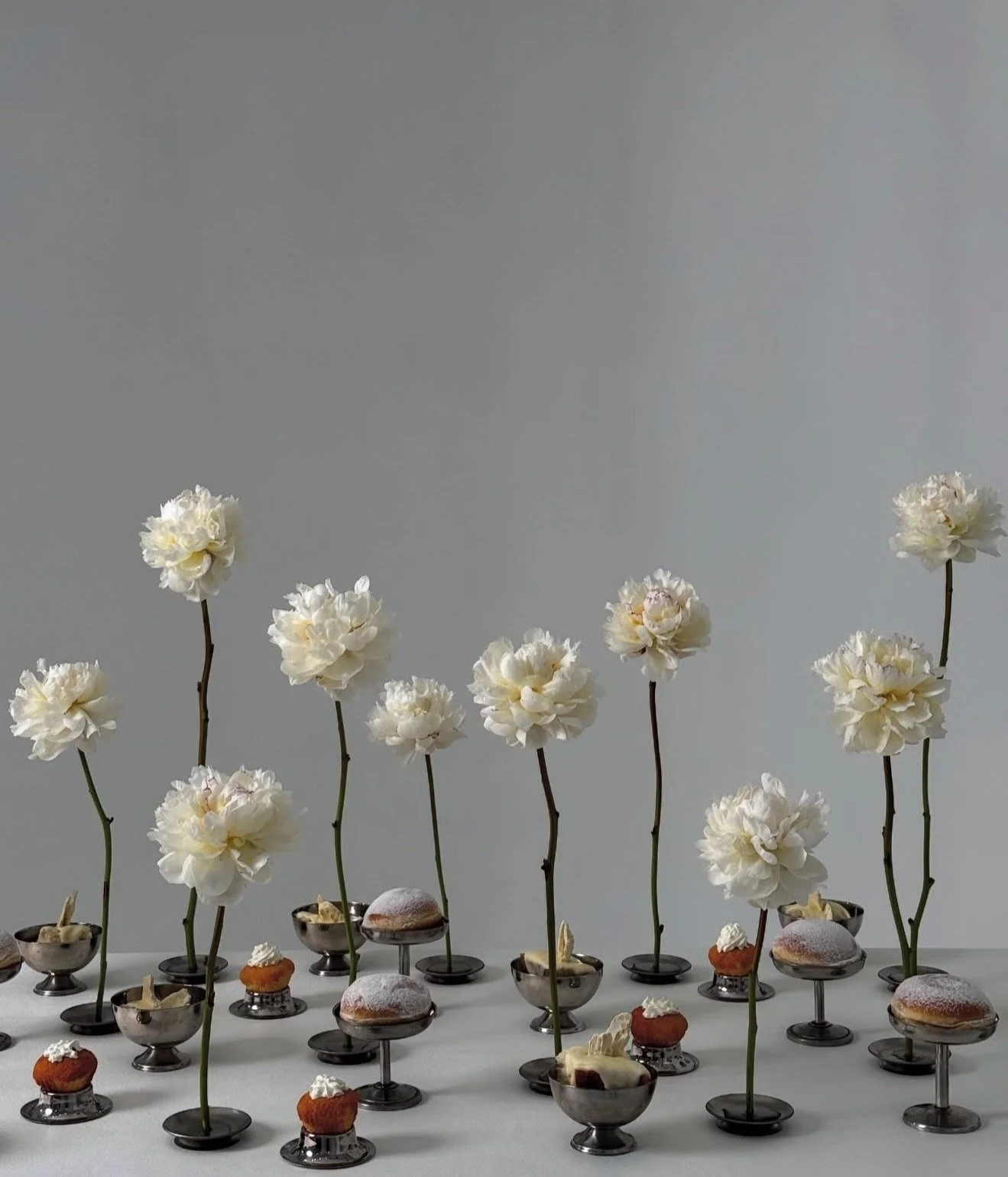
The truth is that you might not be able to make the family feel the way you want it to feel right now. You can't control how your stepchildren experience you, how your partner's ex behaves, or how quickly everyone adjusts to the changes in their lives.
You can, however, pay attention to what this experience is asking of you.
Are you abandoning your own needs to keep everyone else comfortable? Are you taking responsibility for things that belong to your partner? Are you trying to prove that you're a good stepparent by tolerating situations that don't feel good to you? Are you so focused on whether you belong that you've stopped asking yourself whether the current arrangement is working for you, too?
These aren't questions with easy answers. And they aren't invitations to blame yourself or your family. They're opportunities to understand the patterns you're getting pulled into and decide which ones you want to participate in.
If you find yourself feeling like an outsider, you don't have to immediately fix that feeling. You can get curious about it. You can acknowledge the grief, frustration, and loneliness that might come with this role without deciding that something is wrong with you.
You can also recognize when a situation needs to change. Finding your place doesn't mean accepting every dynamic or convincing yourself that your needs don't matter. Sometimes it means having a difficult conversation, establishing a boundary, or asking for support from a therapist who understands the complexity of blended families.
TL;DR: The place you need to find is within yourself. The rest might come later.
You can work toward meaningful relationships with your stepchildren, a stronger partnership, and a family dynamic that feels more sustainable. But you don't have to lose yourself in the process.
You are allowed to be a stepparent who cares deeply and still has limits. You are allowed to love your partner and still struggle with the family dynamics. You are allowed to want connection without forcing it, and to build a life that feels meaningful even when the family doesn't feel cohesive.
You don't have to be the glue holding everyone together. Why don’t you start just by holding yourself? You get to be a person in this family, too.
Written by Sarah Nunes, LCSW
EMDR Certified Therapist and EMDRIA Approved Consultant in Training™
Relationship & Trauma Therapist
If you want to learn more about me and how I approach our work together you can learn more here. Or fill out the form below to connect.