


A Team Approach: Co-Therapy/Joint Sessions for Couples & Individual Work
-
Co-Therapy/Joint sessions is a form of relational therapy where both partners attend sessions together with both therapists. Each partner is assigned a dedicated therapist for their individual work and the four of us would meet together for relational work.
The individual and relational flows together, in one smooth cohesive process. Individual issues are often rooted in the relational and vice versa.
-
Co-Therapy gets at issues more quickly. The patterns that are showing up in your relationship are often dynamics present in your friendships, workplace, internal narratives, and even legacies from your family (parents, siblings, etc). As a therapy team we are addressing issues on an individual, couple, and larger system level to enact lasting change.
-
Sometimes in couples therapy partners sometimes feel that the therapist is “taking sides” or their experience isn’t fully coming through in the therapy room.
Patterns, relational dynamics, and stuck points are spotted faster and more accurately.
By having both therapists in the room, it’s a way to hold you accountable for that work and for you to see your partner held accountable too.
This is particularly important when couples who have complex histories come to work with us. There could be a family legacy of being unheard, lack of accountability, follow-through, or change. You get to see that live and in action.
Relationship patterns don’t form in a vacuum. This process supports both the individual and the relationship.
During joint sessions you get the benefit of two therapeutic minds and hearts, prioritizing you and your relationship. It’s a more robust, holistic, and integrated approach.
Anyone who has been to couples therapy knows how emotional and intense it can be. By having us both in the room it increases emotional safety for both you and partner, individually and together. Starting couples therapy is a delicate heart space that we as therapists undertake with care and intentionality.
-
Couples who feel stuck in traditional couples therapy.
Couples navigating high-conflict/high-intensity dynamics
Individuals that have felt outnumbered or misunderstood understand in traditional couples therapy.
Couples wanting deeper and more integrated work.
You’re interested in getting to the root of relational dynamics to enact lasting change.
You value a trauma-informed approach that is also deep.
One or both of you have a trauma history that is impacting the relationship.
One or both of you have other nuances impacting the relationship, such as sex and love addiction, alcohol and substance use, and early-term recovery, neurodivergence.
-
Chronic and entrenched communication breakdowns.
Conflict cycles on repeat.
Walled off or explosive toward each other? Both explosive? You can come back into connection with each other.
Attached wounding from family of origins
Old relational patterns
Trust issues
Infidelity
Identity, role, or life transitions
Internal conflicts spilling over and impacting the relationship
Addiction/Substance use/Early recovery
The list goes on but these are just a few examples.
-
We don’t pick sides. We aren’t lawyers. We are interested in getting to know you, your partner, and your relationship through curiosity and respect. Our foundational systems training and approach guides us with helping you, as the couple that you are part of the solution not just the problem, and from there the possibilities are limitless.
Why Work With Us?
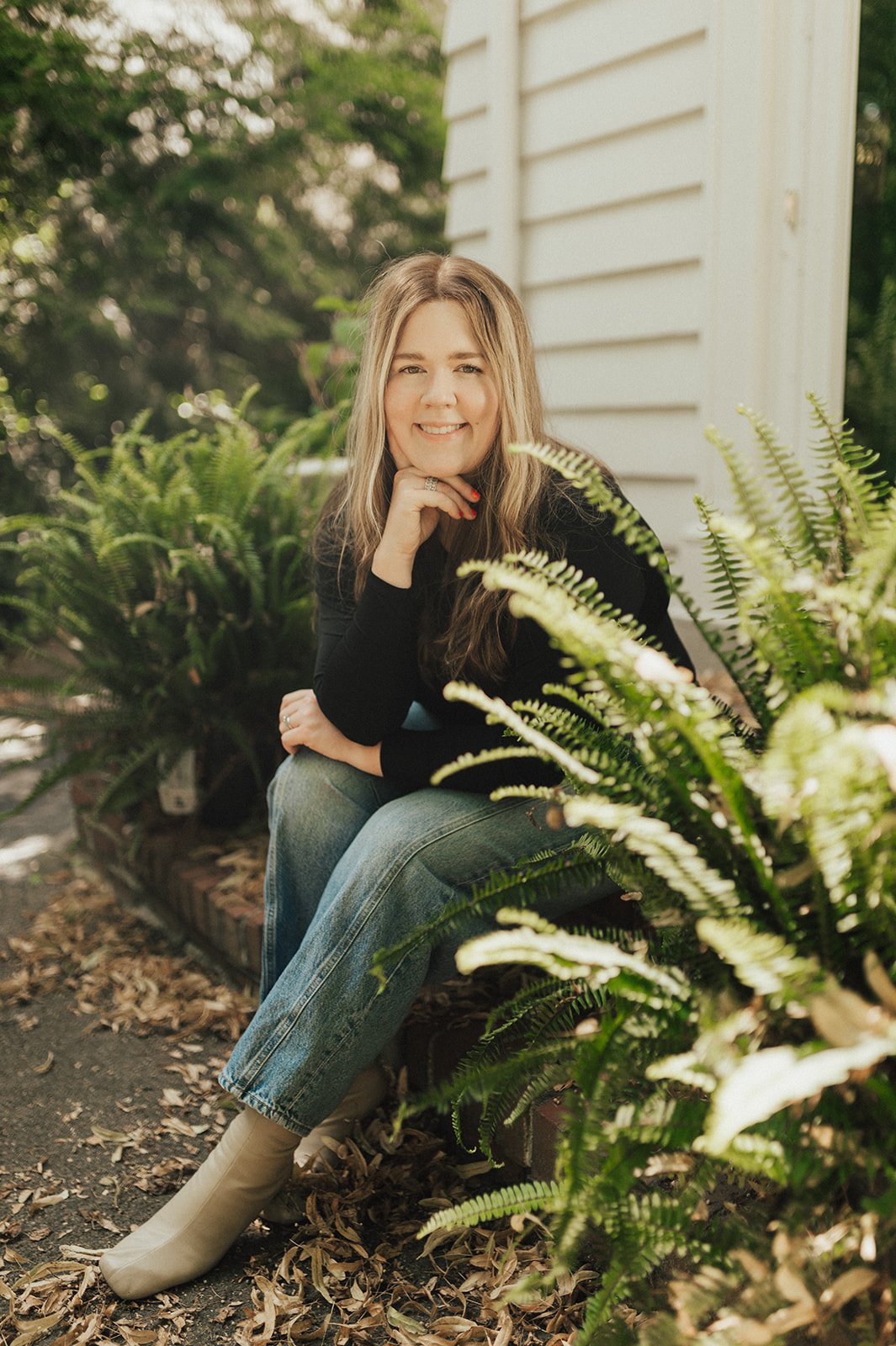
Sarah Nunes, NIC, LCSW

Katie Glenwright Fornof, LCSW, LMFT
Co-Therapy with us gives you something unique— two therapists holding you and your relationship with equal care, curiosity, and respect.
A little bit about us:
Sarah and Kate both received their clinical training from Syracuse University, although we could argue we both got a head-start earlier in life. What we offer is integrated from our collective experiences, clinical trainings, and professional growth inside and outside the therapy room. We believe that individual and relational work is intertwined and through this co-therapy process metamorphosis can occur in both spheres. We are both direct and compassionate therapists, collaborating in and outside of session. Our goal is to help you feel more seen, understood, and connected in your relationship and your life. We believe and both work toward co-creating a safer emotional space to explore, heal, and grow in your relationship. If you want to work with us please reach out here.
How to Work with Us?
1. Schedule a consultation.
Reach out to me here to book a complimentary 30-minute consult call (yes it’s free!) by contacting me here.
2. Let’s see if co-therapy is a good fit.
During our call, you can share whatever feels important about you and your relationship history. I’ll answer any questions you have. This time is simply for us to connect and see if working together feels right.
3. Book your first session.
If we decide to move forward, we’ll schedule your first appointment. At this time you'll decide if you are working with me 1:1 or my other Co-Therapist, Kate.
4. Complete your paperwork.
Fill out your paperwork (don’t work it’s pretty minimal and straight forward). I value getting to know you face to face not through a dissertation of written info.
5. Show up and we’ll take it from there.
That’s really it. The individual and the relational sessions interweave and flow together. The individual is relational, and the relational is individual.
6. What if I’m existing client?
If you are an existing client of mine or past client, feel free to contact me here. You would continue to see me and your partner would work with the other Co-Therapist.
**Currently, I partner with Katie Glenwright Fornof, LCSW, LMFT for Co-Therapy/Joint sessions. If you are a therapist interested in exploring co-therapy/joint sessions with me and would like to work 1:1, contact me here.
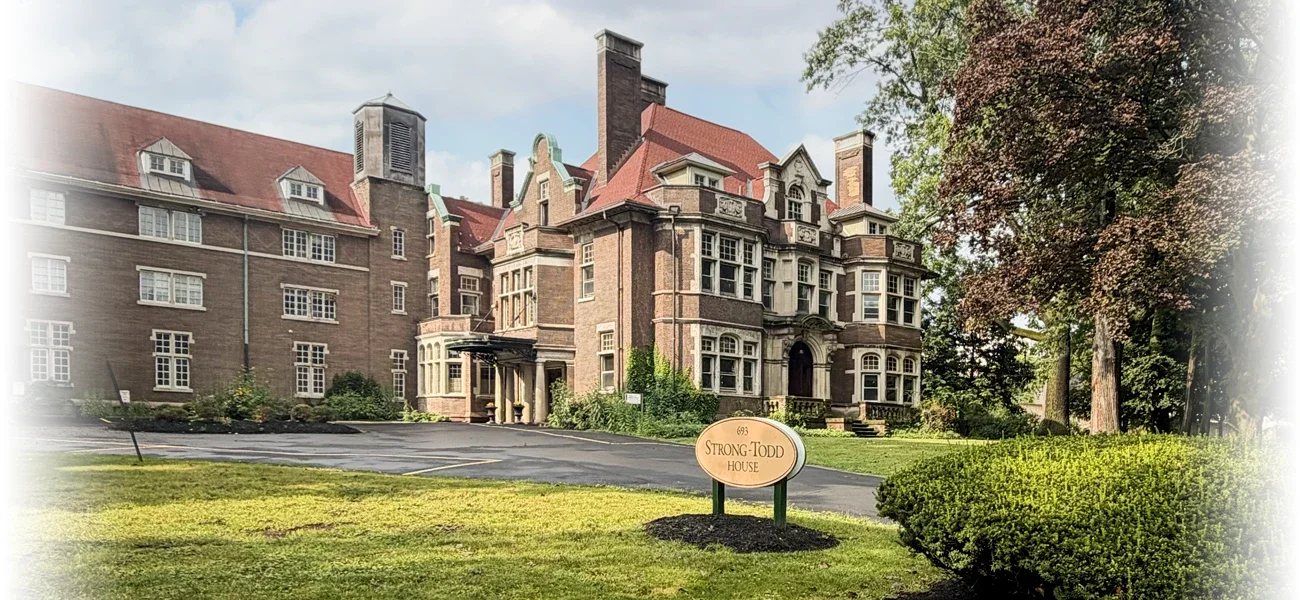
Contact Us.
Sarah Nunes LCSW & Kate Glenwright-Fornof, LCSW, LMFT
693 East Ave, Suite 101
Rochester, NY 14607
sarahnunes@therapyemail.com
(585)-332-3289