

“I’m in Recovery, and My Spouse & Family Is Falling Apart”: When Addiction Recovery Changes a Relationship
One of the harder parts of addiction recovery can be realizing that as you start to get better, your relationship might not feel better with you. You’re working on yourself and probably really hard too. You’re showing up differently, getting honest, and trying to build something more stable and sustainable. Maybe you’re drinking less, engaging in your recovery program, or finally addressing the things you’ve spent years avoiding emotionally for years. And yet, instead of feeling closer to your spouse, things at home seem to be falling apart. Your spouse seems to be unraveling before your eyes.
What gives?
If you work with a therapist who understands addiction, relationships, and family systems, you’ll hear a version of this story more often than you might expect. Sometimes, when one person begins to heal, the relationship gets harder before it gets better. Addiction doesn’t happen in isolation it happens within a system, whether that be relational or familial. Over time, couples develop ways of relating to one another around substance use, the secrecy, the conflict, the fear, and the hope that things might finally change. Even when both people desperately want things to get better, they can become accustomed to the relationship as it is.
Addiction can create a cycle of intense highs and devastating lows. There might be fear, anger, broken trust, and uncertainty, followed by relief, reconnection, promises, and hope. For the spouse who has been alongside someone struggling with addiction, this cycle can become familiar, even when it’s painful.
When recovery begins, that familiar rhythm starts to change. The crisis may quiet down. The roles each person has played may no longer fit. The spouse who spent years monitoring, worrying, managing, or trying to hold everything together may not know what to do when those responsibilities begin to shift because of the uncertainty that has baked into the relationship.
Sometimes, new stability can feel surprisingly uncomfortable. Sometimes when a person starts to show up, do the work, follow-through, take it seriously it doesn’t feel safe to believe it.
This doesn’t mean your spouse wants you to keep struggling, or that your recovery is the problem. It means that recovery changes relationships, too. And both people may need time and support to figure out what comes next individually and together.
If you’re working on your recovery and finding that your marriage feels more strained, it doesn’t automatically mean you’re doing something wrong. It may mean there are patterns between you that need attention, alongside the work you’re already doing for yourself.
You can take your recovery seriously while making room for the impact it has on your relationship. You can have compassion for your spouse without taking responsibility for every feeling they have. And you can begin building a relationship that isn’t organized around addiction, even if neither of you quite knows what that looks like yet.
Getting better is allowed to change things. The work is learning how to build something healthier together, without asking either person to return to the patterns that kept you stuck.
I work with individuals and couples navigating addiction, recovery, and the relationship patterns that can make change feel complicated. Because recovery isn’t just about changing your relationship with a substance. Sometimes, it’s about learning how to relate to each other and your self differently, too.
If you have been struggling for a long time with addiction and substance or wanting to learn how to repair your relationships connect with me here.
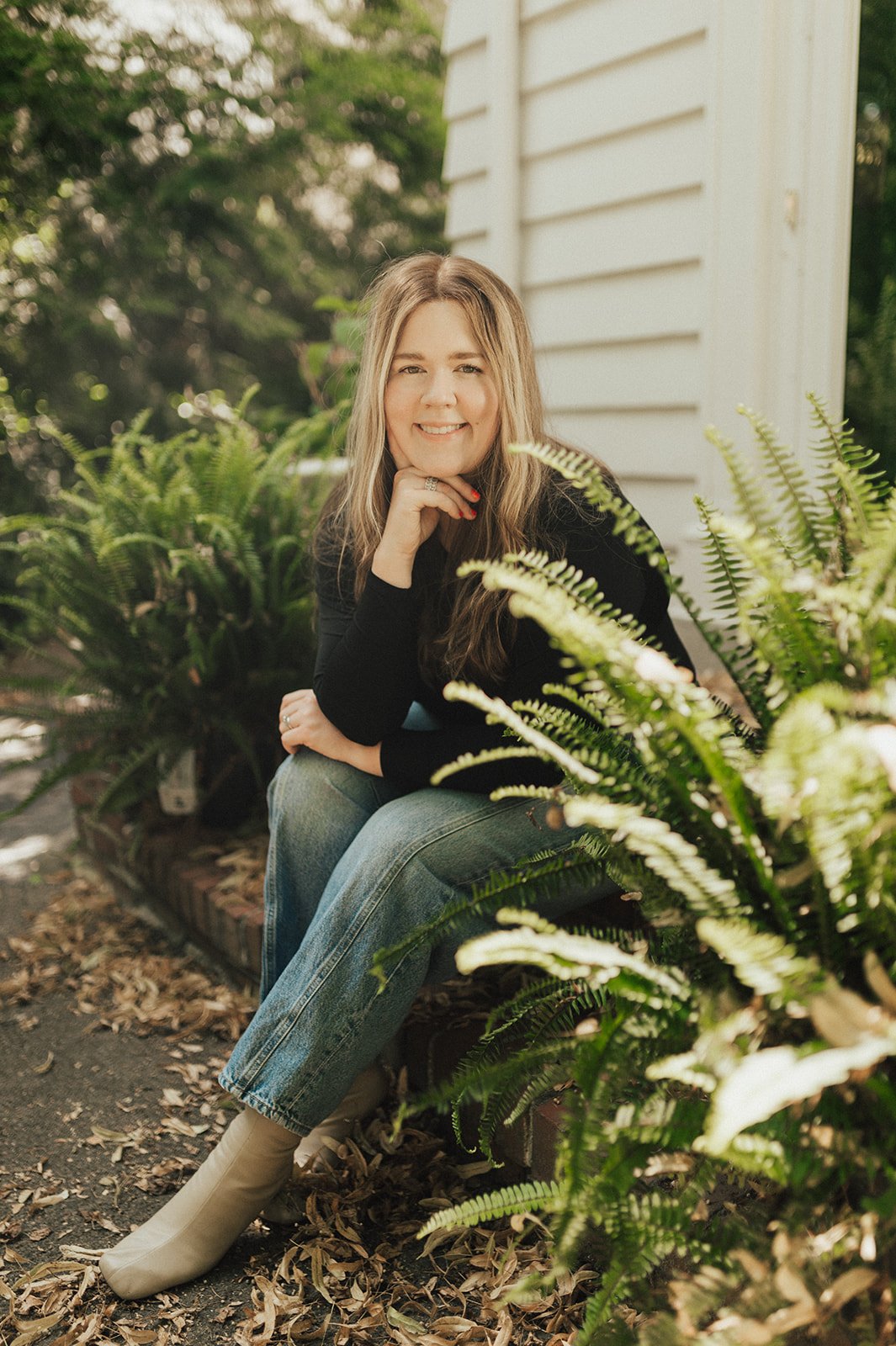
Written By Sarah Nunes, LCSW
Relationship & Trauma Therapist
EMDR Certified Therapist and EMDRIA Approved Consultant in Training™
You don’t have to sacrifice your recovery or your relationship.
You can have the life and relationship you want.